LAND ACQUISITION
Punjab Ends Three-Week Farmer Protest, Notifies Eco City-4 with Enhanced Compensation and Three-Year Development Pledge
On June 2, 2026, the Punjab government issued a Section 4(1) notification to compulsorily acquire 526.03 acres across four villages in Mohali district for Eco City-4, a new residential township under GMADA. The acquisition followed the immediate resolution of a three-week Pucca Morcha—a permanent dharna and chain hunger strike—after the government agreed to an enhanced compensation package and committed to completing all development works within three years of award and possession.
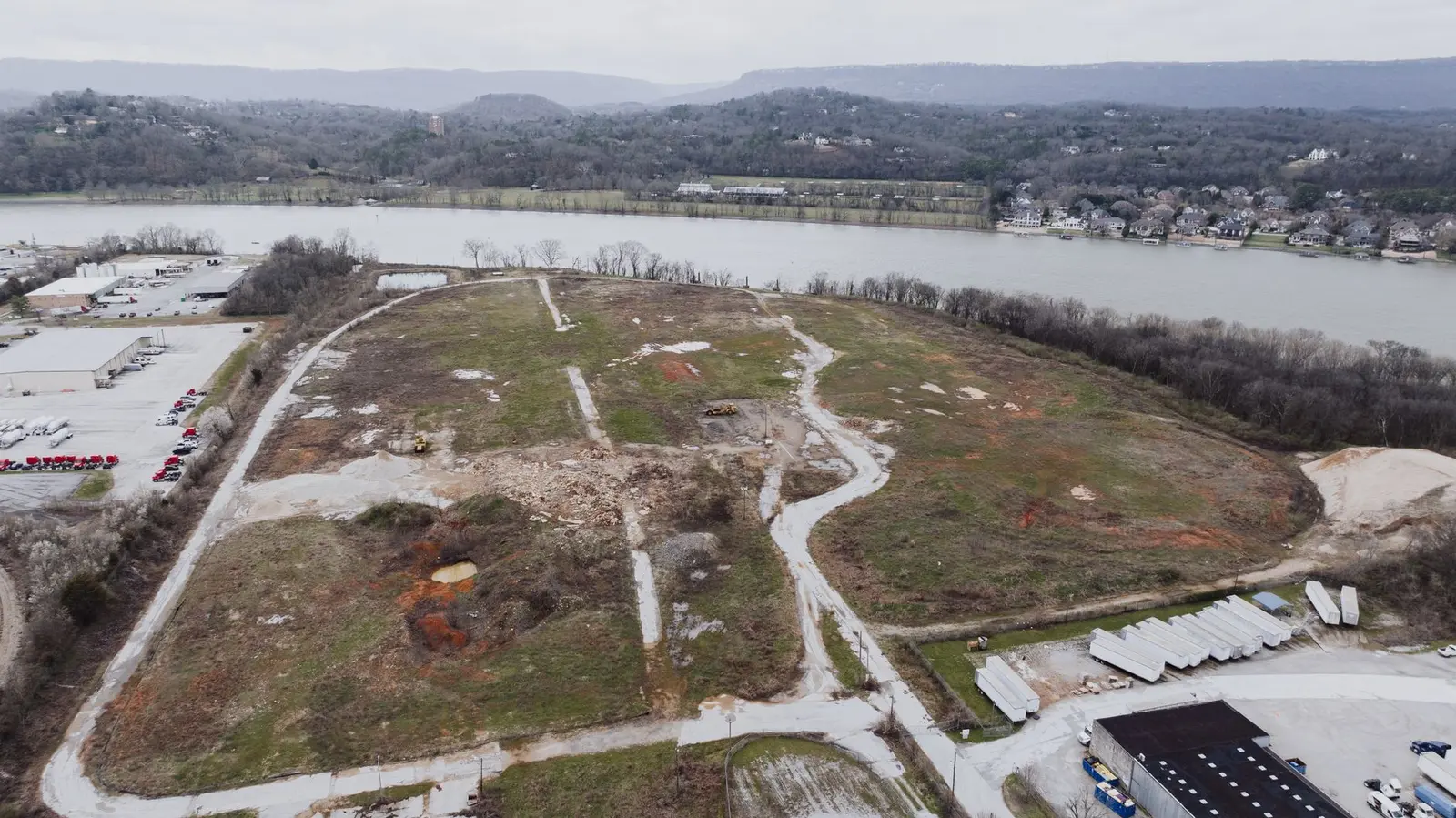
| Land Area Notified | 526.03 acres across four villages: Kartarpur (172.75 acres), Kansala (183.59 acres), Rajgarh (9.90 acres), and Boothgarh (159.79 acres) |
|---|---|
| Notification Date | June 2, 2026 under Section 4(1) of the Right to Fair Compensation and Transparency in Land Acquisition, Rehabilitation and Resettlement Act, 2013 |
| Location | Majri sub-tehsil, Kharar tehsil, Mohali district, Punjab; Mullanpur area of New Chandigarh |
| Developing Authority | Greater Mohali Area Development Authority (GMADA) |
| Development Timeline Commitment | All development works including roads, sewerage, water, and electrical infrastructure to be completed within 3 years of award and possession |
| Pucca Morcha Duration | Three weeks of permanent dharna and chain hunger strike outside GMADA headquarters at Sector 62, Mohali; ended after enhanced compensation package agreement |
| Previous Compensation Awards | ₹6,069 crore declared across roughly 1,231 acres for earlier acquisitions (Eco City-3 and Aerotropolis Blocks A-D and Mullanpur) |
| Enhanced Compensation Package Components | Oustee quota certificates with plots at scheme price (200–500 sq yd depending on land size); residential plot entitlements raised to 1,630 sq yd/acre; commercial SCO to 210 sq yd/acre; free conveyance deeds for original landowners; Sahuliyat Certificate validity doubled to 4 years; all plots including preferential location in draw of lots; village sewerage, water, and roads integrated with GMADA systems |
| Acquisition Status (as of July 13, 2026) | Section 4(1) notification issued; Social Impact Assessment study must be completed within 6 months; full statutory sequence (SIA, public hearing, Section 11, Section 19 award, compensation, possession) still ahead; no public launch possible for years |
The Notification and Its Timing
On June 2, 2026, the state issued a notification under Section 4(1) of the LARR Act to compulsorily acquire 526.03 acres across four villages in Majri sub-tehsil of Kharar tehsil, Mohali district: Kartarpur, Kansala, Rajgarh, and Boothgarh. The proposed acquisition covers 172.75 acres in Kartarpur, 183.59 acres in Kansala, 9.90 acres in Rajgarh, and 159.79 acres in Boothgarh, as per the approved Master Plan of New Chandigarh dated December 28, 2015. The project has been entrusted to the Greater Mohali Area Development Authority (GMADA), a special development authority constituted by the Punjab Government for planned development of New Chandigarh.
The notification was reported publicly on June 5, 2026, but its significance lay not in the announcement alone: The Eco City 4 notification follows the resolution of a significant farmer protest.
The Pucca Morcha and Farmer Grievances
Residual grievances among a section of farmers led to a Pucca Morcha — a three-week-long permanent dharna and chain hunger strike outside GMADA headquarters at Sector 62, Mohali — which ended recently after the government agreed to a further enhanced package of benefits. A section of farmers — arguing that plot entitlements were inadequate, that Sahuliyat Certificate validity was too short, that Oustee Quota benefits were absent, and that their villages would be swallowed by urban development without any compensating infrastructure — remained aggrieved and launched the Pucca Morcha.
The protest was the culmination of months of policy friction. The state returned in November 2025 with a revised, optional Land Pooling Policy, offering farmers a free choice between developed plots under the policy or statutory cash compensation. The optional model gained wider acceptance, with a majority of affected village panchayats passing resolutions endorsing the acquisition. However, not all grievances were resolved by that policy shift.
The Enhanced Compensation Package
Bowing to sustained pressure from farmers who had been agitating for three weeks outside the GMADA headquarters in Mohali, the Punjab Government has decided to further enhance benefits and extend major new concessions under its Land Pooling Policy. The move has, on Tuesday, ended the Pucca Morcha — the indefinite dharna and chain hunger strike had been underway outside the gates of the authority in Mohali.
The package included multiple material improvements. The commercial plot entitlement in the mixed use category was raised from 200 to 210 square yards per acre; the residential category entitlement from 1,600 to 1,630 square yards. Oustee quota certificates with plots at scheme price — 200 sq yd for up to half an acre, 300 sq yd for half to 2.5 acres, 500 sq yd for above 2.5 acres — were extended to all farmers including those opting for cash. The Sahuliyat Certificate validity was doubled from two to four years, giving farmers more time to identify and purchase alternative land.
Most significantly, the government committed for the first time to a fixed, formal development deadline, three years from award and possession, and pledged to develop affected villages simultaneously with the townships around them. GMADA committed to integrating village sewerage, water supply and storm water drainage with its own systems. Houses along the village phirni will be fully exempted from land acquisition. Common village facilities — government and panchayat schools, parks and dispensaries — will also be exempted from acquisition proceedings.
The Earlier Policy Backdrop
The enhanced package emerged from years of policy iteration and conflict. The November 2025 revision made pooling optional, giving farmers the free choice between developed plots and cash. Every farmer in the acquisition belt could freely choose between developed plots under the policy or statutory cash compensation under the Land Acquisition Act, 2013. Three awards totalling Rs 6,069 crore across 1,231 acres were declared – Rs 3,690.32 crore for 716 acres of Eco City-3, Rs 446.22 crore for 206.39 acres of Aerotropolis Blocks A-D, and Rs 1,932.38 crore for 309.30 acres of the low/high density township.
The economic logic of the land pooling policy rested on a significant value gap. Agricultural land in the GMADA belt was worth approximately ₹5 crore per acre before acquisition notifications. After notifications, values rose to around ₹8 crore per acre. But the developed plots a farmer receives under the policy carry a combined estimated market value of approximately ₹16 crore per acre, double the post-notification price and more than triple the pre-notification value.
Eco City-4 in the Broader GMADA Pipeline
Placing Eco City 4 in context with the full pipeline shows how aggressively GMADA is expanding the New Chandigarh footprint: - Eco City 1 and 2: about 806 acres combined in New Chandigarh, developed and allotted by GMADA. Eco City 1 covers roughly 419 acres around Mullanpur Garibdas and adjoining villages; Eco City 2 roughly 387 acres in Hoshiarpur and Takipur. - Eco City 3: 716 acres, Section 19 compensation award declared in December 2025, infrastructure development pending, launch expected later in 2026. - Aerotropolis Extension (Banur belt): 2,489 acres notified. - Eco City 4: 526 acres, Section 4(1) notification issued June 2, 2026.
Three of the four Eco City 4 villages, namely Kartarpur, Kansala, and Rajgarh, also appear in the Eco City 3 acquisition from December 2025. Punjab's revenue villages are large, with hundreds of khasra numbers spread across significant land areas. GMADA acquires specific khasra numbers within a village, not the entire village.
Next Steps and Timeline Reality
It also brings the affected parcels under acquisition proceedings, but it does not yet constitute a compensation award or transfer of possession. The full statutory sequence still lies ahead: the Social Impact Assessment, the public hearing, the Section 11 preliminary notification, the Section 19 declaration, the award of compensation, and finally physical possession. A launch offering plots to the public will not come until possession is taken and infrastructure development begins. Based on the Eco City 3 precedent, the gap between a Section 4(1) notification and a public launch is measured in years, not months.
The notification has been issued under Section 4(1) of the Right to Fair Compensation and Transparency in Land Acquisition, Rehabilitation and Resettlement Act, 2013, by Principal Secretary, Housing and Urban Development, Vikas Garg. It marks the formal first step in the statutory land acquisition process — triggering a Social Impact Assessment study that must be completed within six months, to be followed by further notification.
Development phases
Frequently asked questions
Is Eco City-4 the first township being acquired by GMADA?
No. Eco City-1 and Eco City-2 (806 acres combined) are already developed and allotted. Eco City-3 (716 acres) is in the pre-launch infrastructure phase. Eco City-4 is the fourth in the series and is at the very beginning of its statutory acquisition process, announced immediately after the resolution of farmer protests over Eco City-3.
When will I be able to buy a plot in Eco City-4?
Not for years. As of June 2026, only a Section 4(1) notification has been issued. The full land acquisition process—Social Impact Assessment, public hearings, compensation awards, and physical possession—must be completed before infrastructure development can begin and plots can be allotted. Based on Eco City-3 precedent, the gap between notification and public launch is measured in years, not months.
What was the Pucca Morcha and why did it end?
The Pucca Morcha was a three-week permanent dharna and chain hunger strike by farmers outside GMADA headquarters in Sector 62, Mohali. It ended after the Punjab government agreed to an enhanced compensation package that raised plot entitlements, extended oustee quota benefits to all farmers (including those opting for cash), doubled the Sahuliyat Certificate validity to 4 years, and committed for the first time to a fixed three-year development deadline and village infrastructure integration.
Are farmers required to accept the Land Pooling Policy, or can they take cash?
Under the revised policy from November 2025, pooling is optional. Every affected farmer can freely choose between developed plots under the Land Pooling Policy or statutory cash compensation under the LARR Act, 2013. Those choosing cash compensation also now receive oustee quota certificates entitling them to additional residential plots at scheme price.
What is the Land Pooling Policy value proposition?
Agricultural land in the GMADA belt was worth approximately ₹5 crore per acre before acquisition notifications and rose to ₹8 crore after. A farmer pooling land receives developed residential and commercial plots with a combined estimated market value of approximately ₹16 crore per acre—double the post-notification price and triple the pre-notification value—though realization depends on timely infrastructure development.
Will village infrastructure be protected during development?
Yes. Under the enhanced package, schools, parks, dispensaries, and common facilities on panchayat land are exempted from acquisition. GMADA has committed to integrating village sewerage, water supply, and storm water drainage with its own systems, and to complete all development works within three years of award and possession.
Where exactly is Eco City-4 located?
Eco City-4 spans 526.03 acres across four villages—Kartarpur, Kansala, Rajgarh, and Boothgarh—in the Majri sub-tehsil of Kharar tehsil, Mohali district. It is part of the Mullanpur area of New Chandigarh and represents GMADA's expansion of a contiguous planned township zone that already includes Eco City-1, Eco City-2, and Eco City-3.
Sources
- GMADA Launches Eco City-4 — 526 Acres to Be Acquired Across Four Villages in New Chandigarh
- Coming up, new township on 526 acres in New Chandigarh
- Farmers end Pucca Morcha as Punjab govt enhances Land Pooling Policy benefits
- Punjab enhances land pooling policy benefits
- Explainer: Why Punjab keeps rewriting its Land Pooling Policy, whether this version will finally stick
- Punjab's land pooling policy 3.0: What changed, what it means and what remains
- Notification regarding Eco City-4 Project
- Land Pooling Scheme