Land Conflict
Farmer Groups Escalate Opposition to Bihar's 12 Satellite Townships, Threaten Indefinite Agitation
The Samyukt Kisan Morcha announced a protest on July 22, saying it will oppose the proposed 12 greenfield satellite townships planned across Bihar. The Morcha warned that if the government does not withdraw its policy of 'forced' acquisition, they will launch an indefinite agitation.
| Protest Date | July 22, 2026 |
|---|---|
| Number of Townships | 12 greenfield satellite townships planned across the state |
| Total Project Area | More than three lakh acres (300,000+ acres) |
| Government Financing | ₹1 lakh crore (long-term financing with HUDCO) |
| Land Pooling Return Rate | 55% of developed land returned to landowners/farmers after development |
| Farmers' Core Grievance | Farmer organizations termed the project 'destruction of farmers' cultivation' and 'corporate land loot' |
| Government Alternative Proposal | Farmers will be allotted developed plots equivalent to 55% of their original landholding within the same township area |
| HUDCO MoU Date | July 2026 |
Protest Announcement and Core Demands
The Samyukt Kisan Morcha announced a protest on July 22, saying it will oppose the proposed 12 greenfield satellite townships planned across the state. The organisation also called for demonstrations and effigy burning over the township proposals.
Farmer leaders argued that the government should prioritise developing smart villages, strengthening agriculture and promoting agro-based industries rather than establishing new satellite townships. The Morcha warned that if the government does not withdraw its policy of 'forced' acquisition, they will launch an indefinite agitation.
Farmer Opposition: Land Loss and Compensation Concerns
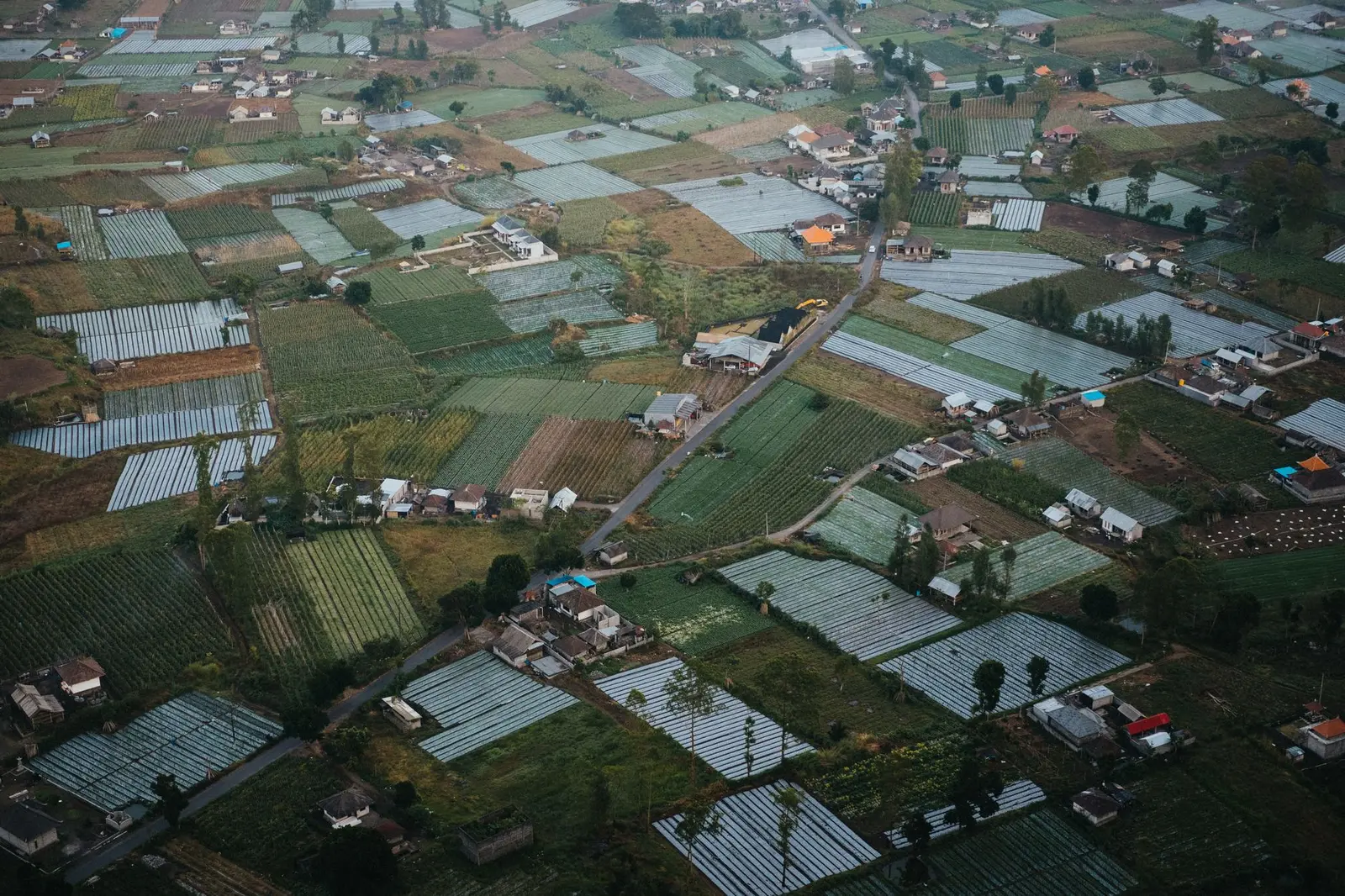
Farmer organizations allege that the lands the government intends to acquire are among the most fertile agricultural lands in the state. Losing them will not only snatch away the farmers' livelihoods but will also impact food security.
There is a deep divide between the farmers and the government regarding displacement and compensation rates. Farmer organizations state that the compensation proposed by the government is very low compared to current market rates.
Government's Land Pooling Mechanism and Commitments
The government stated that 11 new satellite township development is a collaborative effort where farmers will be made shareholders of the township development scheme, with farmers returning 55% of developed plots to landowners after development.
For those not opting for land pooling, the government will offer negotiated purchases at market rates in addition to Transfer of Development Rights (TDR), aimed at providing over five times the land value. For urban land, owners will receive twice the higher of the market value or the circle rate; for rural land, owners will receive four times the higher of the market value or the circle rate, with an additional incentive of 10%.
Project Scale and Government Financing
The Bihar government signed a Memorandum of Understanding with the Housing and Urban Development Corporation (HUDCO) for long-term financing of ₹1 lakh crore to develop 12 greenfield townships across the state in one of the biggest urban infrastructure projects in its history. The MoU was signed between the state's Urban Development and Housing Department and HUDCO in the presence of Bihar Chief Minister Samrat Choudhary.
The lands have been selected in the vicinity of existing major cities and towns in Bihar—Patna, Muzaffarpur, Darbhanga, Chapra, Gaya, Sitamarhi, Saharsa, Purnea, Munger, Bhagalpur, and Sonepur.
Townships Named and Thematic Focus
The 11 proposed satellite townships across Bihar include projects in Darbhanga (Mithila), Chhapra (Saran), Sonepur (Hariharnath), Bhagalpur (Vikramshila), Muzaffarpur (Tirhut), Gaya (Magadh), Purnia, Sitamarhi (Sitapuram), Munger (Anga) and Saharsa (Kosi), and Pataliputra in Patna.
Pataliputra is planned as a logistics hub and education-sports city; Hariharnathpuram as an aero city and mythological tourism centre; Magadh as a religious, cultural and tourism hub; Mithila as a medical hub and cultural heritage centre; Tirhut as an industrial and commercial hub; Sitapuram as a religious and cultural tourism centre; Kosi as a commercial centre; Anga as a heritage and commercial centre; and Vikramshila as an education and cultural hub.
Project Status and Timeline
The Bihar cabinet approved 11 Greenfield Satellite Townships on 22 April 2026. Before land acquisition begins, authorities will conduct a door-to-door social impact assessment in accordance with legal requirements.
On one hand, the government feels the pressure to complete these 12 townships on time under the 'Bihar Vikas Mission,' while on the other hand, the project's pace has stalled due to the growing public outcry.
What is Next
With farmer organisations beginning coordinated protests against the proposals, the projects are likely to face increasing public scrutiny as consultations and land acquisition efforts continue.
The Bihar government has proposed the creation of the Bihar Urban Development Authority (BUDA) to drive planned urban expansion through greenfield satellite townships. The proposed legislation was introduced in the Bihar Assembly on the opening day of the Monsoon Session.
Development phases
Frequently asked questions
What is the land pooling model being used for these townships?
Under the land pooling scheme, the government will return 55% of land to the landowners/farmers after developing them. The remaining developed land is redistributed to landowners in proportion to their original holdings.
Will farmers be forcibly displaced?
The government stated that no landowners/farmers whose land comes under the satellite township areas will be deprived of their land, and the government will not render any farmer landless in the process.
What compensation will farmers receive if they sell land voluntarily?
For urban land, owners will receive twice the higher of the market value or the circle rate; for rural land, owners will receive four times the higher of the market value or the circle rate, with an additional incentive of 10%.
How many townships are planned and where are they located?
11 townships are being developed in the vicinity of existing major cities and towns in Bihar—Patna, Muzaffarpur, Darbhanga, Chapra, Gaya, Sitamarhi, Saharsa, Purnea, Munger, Bhagalpur, and Sonepur.
What is the total project investment and timeline?
The pact with HUDCO is for long-term financing of ₹1 lakh crore for the development of 12 greenfield satellite townships. The satellite townships are to be developed over a geographical area of more than three lakh acres.
Why are farmers protesting despite the government's land pooling offer?
Farmer organizations allege that the lands the government intends to acquire are among the most fertile agricultural lands in the state. Farmer organizations state that the compensation proposed by the government is very low compared to current market rates.
Sources
- Bihar's Satellite Townships Face First Big Test As Farmers Call For Statewide Protest
- 12 Satellite Township Project in Bihar Growing Land Acquisition Stir and the Bugle of a 'Mass Movement' by Farmers
- Bihar govt inks MoU with HUDCO for development of 12 greenfield satellite townships
- Bihar Inks Rs 1 Trillion Deal With HUDCO To Develop 12 Greenfield Townships
- Pataliputra Township Near Patna To Be Bihar's Largest Greenfield Satellite Township
- Bihar's Satellite Townships: Building Self-Sustaining Cities
- Explained: How Land in Bihar's Satellite Townships Can Now Be Acquired for Government and Industrial Projects
- Bihar to Develop Satellite and Greenfield Townships in 11 Cities in First Major Cabinet Move