Amaravati Land Pooling
Amaravati Capital's Growth Test: 13 Pooling Zones Wait for Roads, Water and Power
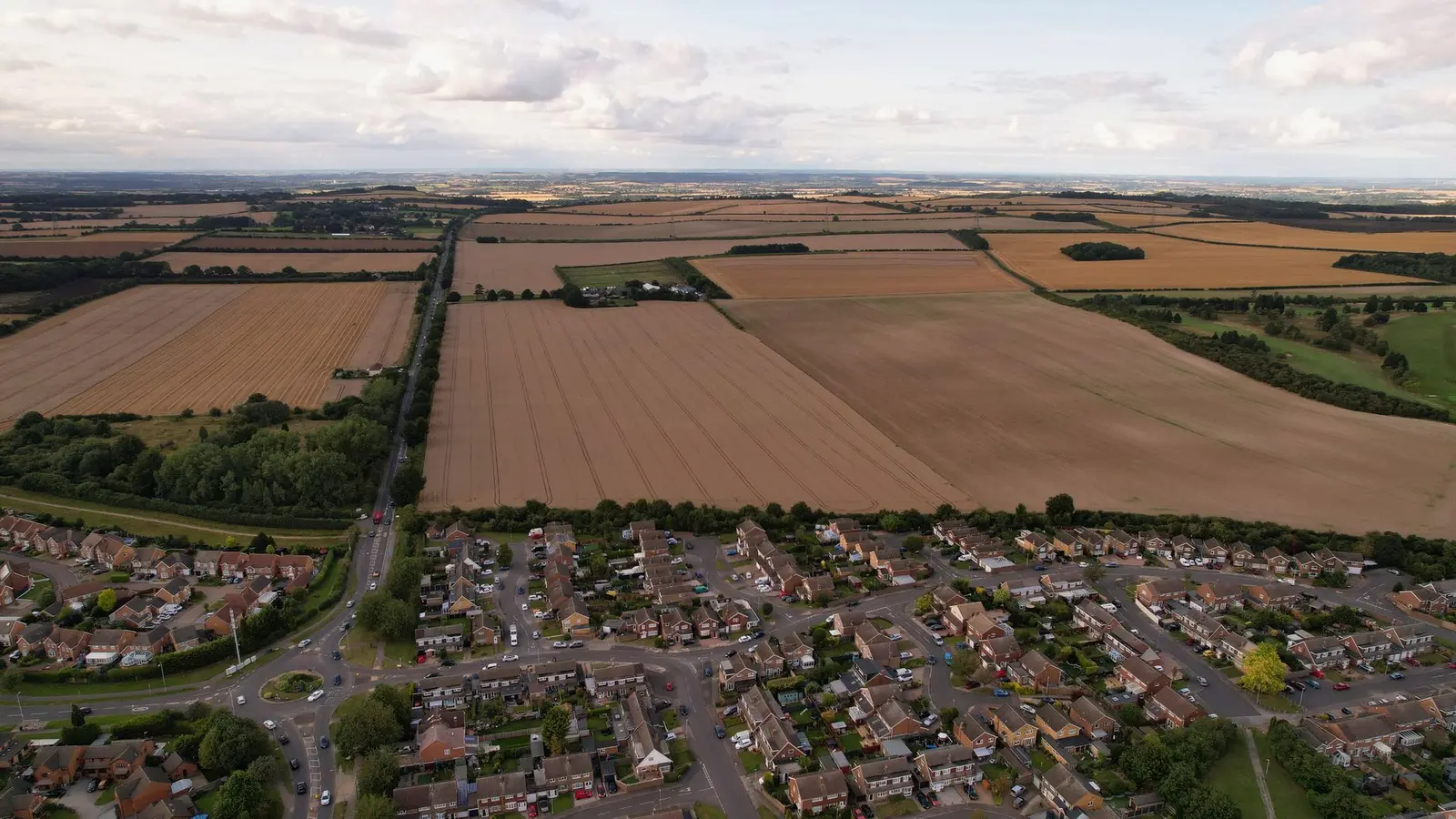
Farmers who gave land for Amaravati, the capital city of Andhra Pradesh, say the residential and commercial plots returned to them across 13 land pooling scheme zones still lack roads, drainage, electricity and water, as of 16 November 2026. Their complaint is aimed at APCRDA, the authority building the capital, at a time when large buildings are rising in the city.
| Reported | 16 November 2026 |
|---|---|
| Land pooling zones affected | 13 LPS zones |
| Plots at issue | Residential and commercial returnable plots |
| Basic services sought | Roads, drainage, electricity and water |
| Authority | APCRDA (Andhra Pradesh Capital Region Development Authority) |
| Capital city area | 217.23 sq km across 25 villages in Thullur, Mangalagiri and Tadepalli mandals (as of 11 November 2026) |
| Land pooled in Phase 1 | About 34,000 acres (as of 11 November 2026) |
| Nidamarru allotment | 77 returnable plots (52 residential, 25 commercial) to 20 farmers on 7 November 2026 |
What farmers are raising
Farmers who surrendered land for the capital are questioning APCRDA over the slow development of the returnable plots allotted to them. A report published on 16 November 2026 says these plots lack the basic services needed before anyone can build or use them.
- Roads and drainage are missing in the allotted plots.
- Electricity and water connections are also lacking.
- Farmers want these facilities provided in all 13 land pooling scheme zones.
A son of a farming family that gave four acres for the capital has written an open letter to the government on social media. He says he found work or built a business elsewhere, while many other farmers depend only on the land they gave up. His letter questions the government's priorities and its attitude towards developing the returnable plots.
Where the plots are: 13 zones and the Nidamarru allotment
The allotted plots are spread across 13 land pooling scheme zones. Returnable plots are the plots given back to farmers who pooled their land for the capital, so the delay affects families across several villages rather than one site.
The pattern is visible in recent allotments too. On 7 November 2026, APCRDA allotted 77 returnable plots, 52 residential and 25 commercial, to 20 farmers from Nidamarru through an e-lottery. Provisional allotment certificates were handed to the farmers, who had contributed their land for the construction of the capital city.
The wider capital build-out
The capital is planned over a 217.23 sq km notified area covering 25 villages, within a wider Capital Region of 8,352.69 sq km across six districts (as of 11 November 2026). Phase 1 has drawn about 34,000 acres from farmers under the voluntary Land Pooling Scheme.
Funding for Phase 1 includes $1.6 billion from the World Bank and the Asian Development Bank, with $800 million each, plus Rs 15,000 crore pledged by the Government of India, of which Rs 1,400 crore has been allocated. Reports from October 2026 said a further Rs 15,000 crore from the World Bank and ADB was in its final approval stages, with the first phase due by 2029.
Other works are moving in parallel. A railway line from Errupalem to Namburu with nine stations, a Krishna River bridge and trains up to 160 km/h is nearing a final alignment. APCRDA and Indian Oil Corporation have also signed an MoU, on 11 November 2026, to study city gas, battery-swapping, biogas and green hydrogen for the capital.
What it means for the city's growth
For the capital's growth, the plots are a test of whether the land pooled from farmers turns into usable neighbourhoods. The master plan targets 3.5 million people and about 1.5 million jobs by 2050, and that depends on roads, water and power reaching every zone, not only the central core.
- Land: returnable plots are the return that farmers were promised for pooled land, so their development shapes trust in the scheme.
- Roads and utilities: drainage and power are needed before homes or shops can operate on the plots.
- Jobs and income: farmers who depend only on their surrendered land need usable plots to earn from them.
Flood measures announced on 4 November 2026 after Cyclone Murasu inflows show that drainage is a live concern across the capital region as well.
What comes next
The immediate demand from farmers is for roads, drainage, electricity and water in the 13 zones. APCRDA's second land pooling phase, LPS 2.0, is also moving forward, with a Vaddamanu farming family offering 4.668 acres on 3 November 2026. Buyers and investors should track how APCRDA schedules services for returnable plots, because that will set the pace for the capital's residential and commercial land.
Frequently asked questions
What are returnable plots in Amaravati?
Returnable plots are plots allotted back to farmers who gave their land for the capital under the land pooling scheme.
How many land pooling zones are affected by the delay?
The allotted plots are spread across 13 land pooling scheme zones, and farmers say they lack roads, drainage, electricity and water.
Which authority is responsible for developing these plots?
APCRDA, the Andhra Pradesh Capital Region Development Authority, allots the plots and is the body farmers are questioning over the delay.
How many plots were recently allotted to farmers in Amaravati?
On 7 November 2026, APCRDA allotted 77 returnable plots, 52 residential and 25 commercial, to 20 Nidamarru farmers through an e-lottery.
How big is the Amaravati capital city area?
The notified capital city area is 217.23 sq km, covering 25 villages in Thullur, Mangalagiri and Tadepalli mandals, as of 11 November 2026.
Sources
- Massive buildings but no development of Amaravati plots (Great Andhra)
- APCRDA allots 77 plots to 20 Amaravati farmers (Deccan Chronicle)
- Amaravati Master Plans (APCRDA)
- Amaravati - Wikipedia
- World Bank Support for Amaravati as a Growth Hub in Andhra Pradesh
- Amaravati to now be permanent capital of Andhra Pradesh (Akashvani News)