Energy and Infrastructure
Amaravati Capital Plans Gas, EV Charging and Green Energy Network Under APCRDA-IOCL Study
The Andhra Pradesh Capital Region Development Authority (APCRDA) has signed a memorandum of understanding with Indian Oil Corporation Limited (IOCL) to study an integrated energy network for Amaravati Capital City. The pact covers city gas, battery-swapping stations, compressed biogas and green hydrogen, and moves the capital's energy planning to a study stage with an Integrated Energy Master Plan and detailed project reports still ahead.
| Date signed | 11 November 2026 |
|---|---|
| Place of signing | APCRDA head office, Amaravati |
| Parties | APCRDA and Indian Oil Corporation Limited (IOCL) |
| Signatories | V Vijay Rama Raju, APCRDA Commissioner; Piyush Mittal, IOCL Executive Director and State Head, Telangana and Andhra Pradesh State Office (TAPSO) |
| Stage | MoU signed; study, master plan and detailed project reports to follow (as of 11 November 2026) |
| Notified capital city area | 217.23 sq km across 25 villages in Thullur, Mangalagiri and Tadepalli mandals (as on 11 November 2026) |
| Land pooled in Phase 1 | About 34,000 acres from farmers under the voluntary Land Pooling Scheme (as on 11 November 2026) |
What was signed and by whom
APCRDA, the body that plans and builds the capital, signed the MoU with IOCL at its head office in Amaravati on 11 November 2026. The agreement was signed by APCRDA Commissioner V Vijay Rama Raju and by Piyush Mittal, IOCL Executive Director and State Head of the Telangana and Andhra Pradesh State Office.
The stated purpose is to explore and develop an integrated, sustainable and future-ready energy infrastructure ecosystem for the capital. The MoU is a framework for joint study. It does not by itself approve any pipeline, station or plant in the city.
What the study will cover
- City gas distribution networks, including piped natural gas (PNG) and compressed natural gas (CNG).
- Battery-swapping stations to support electric mobility.
- Compressed biogas (CBG) as a fuel and waste-based energy source.
- Green hydrogen as a future clean fuel option.
- Multi-fuel energy stations and utility corridors with smart energy management systems.
The partners will prepare an Integrated Energy Master Plan that assesses the present and future energy needs of the city. The plan is meant to support sustainable transport and mobility infrastructure. Once the study is complete, the partners will prepare technical reports and detailed project reports (DPRs) to take the proposals forward.
What it could change for the city
APCRDA intends to fold green energy infrastructure into the city master plan. That includes underground piped gas utility infrastructure, which would be laid out alongside roads and other city services rather than added later. For a capital that is still being built on newly pooled land, planning utility corridors early is one way to avoid digging up finished roads.
For residents and buyers, the practical effects will come through the master plan and the layout of roads and utility routes in each zone. Gas connections, charging points and fuel stations are the kinds of facilities that tend to follow planned corridors, so the master plan will shape where they can go. The MoU does not change plot allotments, land rates or construction schedules in the capital.
Where the capital plan stands
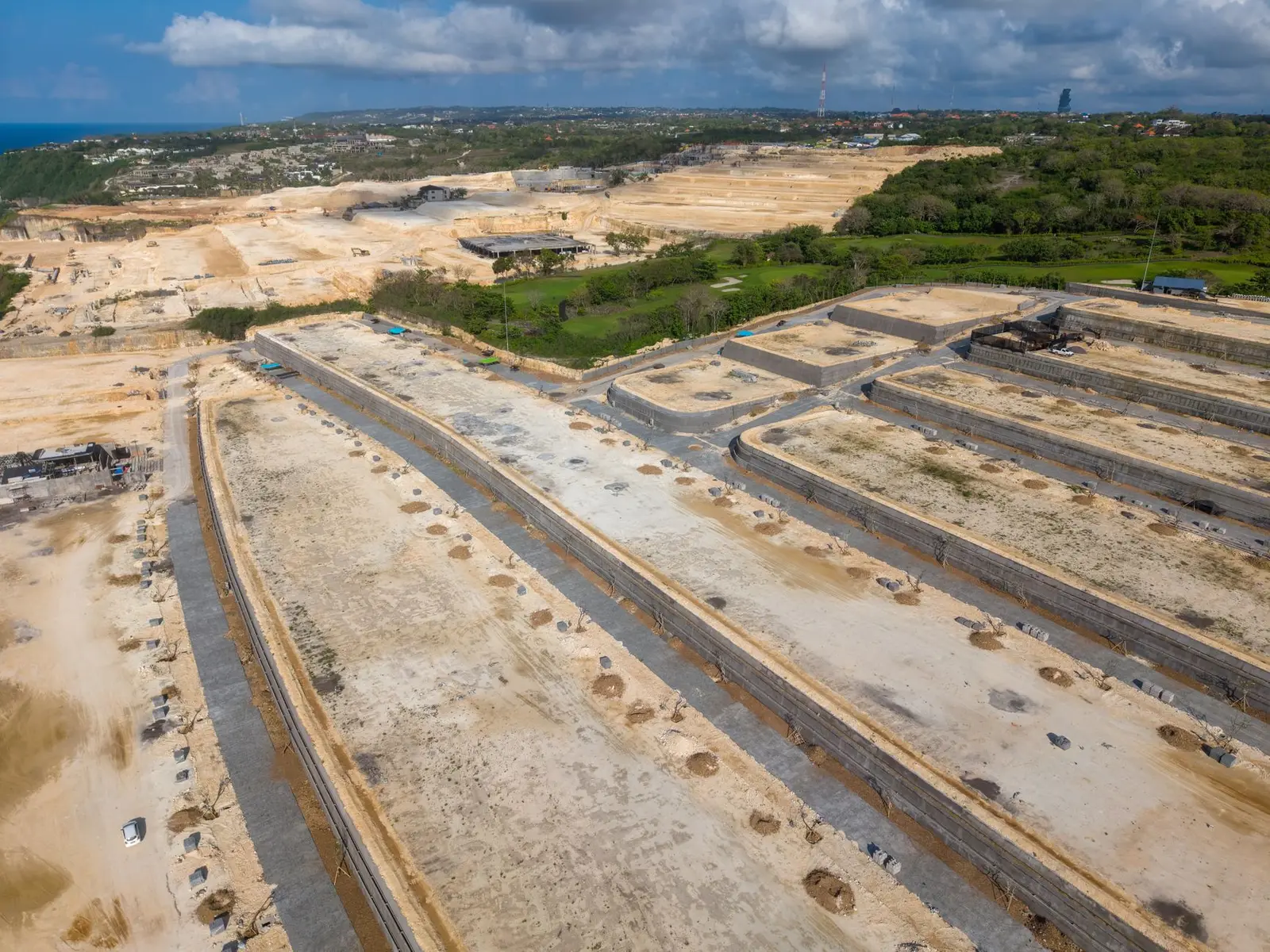
Amaravati is the purpose-built capital of Andhra Pradesh, laid out on the right bank of the Krishna River in Guntur district, about 15 km southwest of Vijayawada. The capital city area is notified at 217.23 sq km, and the wider Capital Region covers 8,352.69 sq km across Guntur, Krishna, NTR, Palnadu, Bapatla and Eluru districts (as on 11 November 2026). A 2026 Parliament law names Amaravati as the state's sole and permanent capital.
The first phase is funded through $1.6 billion from the World Bank and the Asian Development Bank, $800 million each, along with ₹15,000 crore pledged by the Government of India, of which ₹1,400 crore has been allocated. Reports from October 2026 put works in progress across the city at ₹57,821 crore. The APCRDA master plan targets 3.5 million people and about 1.5 million jobs by 2050.
Land is coming in through the voluntary Land Pooling Scheme. About 34,000 acres have been pooled from farmers in Phase 1 (as on 11 November 2026), and a second pooling phase is under way in further villages. Energy planning fits into that land base because every new zone needs power, gas and transport links.
What comes next
- The partners prepare the Integrated Energy Master Plan, assessing today's energy demand and the likely demand as the city grows.
- Technical reports and detailed project reports are prepared for the options the study finds workable, such as gas networks, charging and CBG.
- APCRDA then decides which parts to take into the city master plan and to tender. No timeline or cost for these steps has been set out so far.
Buyers and investors should read this MoU as an early planning step. Anything that becomes a station, pipeline or power facility will need its own approvals and tenders, and those will be the points to watch.
Frequently asked questions
What did APCRDA and IOCL sign?
APCRDA and Indian Oil Corporation Limited signed a memorandum of understanding on 11 November 2026 to study an integrated energy network for Amaravati Capital City.
Does the MoU mean gas pipelines are being built in Amaravati now?
No, the MoU sets up a joint study of city gas distribution, covering PNG and CNG, and the partners will first prepare an Integrated Energy Master Plan and detailed project reports.
Which clean energy options does the study cover?
The study covers city gas distribution, battery-swapping stations, compressed biogas and green hydrogen, along with multi-fuel energy stations and utility corridors.
Will the energy plan be part of the Amaravati master plan?
APCRDA plans to fold green energy infrastructure into the city master plan, including underground piped gas utility infrastructure.
Does this MoU change land or plot allotments in Amaravati?
The MoU is a study agreement on energy infrastructure and does not itself change plot allotments, land rates or construction schedules in the capital.
Sources
- APCRDA and IOCL sign MoU to study energy infrastructure for Amaravati (Power Peak Digest)
- Power sector news roundup for November 11, 2026 (Power Peak Digest)
- Amaravati advances green energy ambitions as APCRDA and Indian Oil join hands (EQ Mag Pro)
- Amaravati to now be permanent capital of Andhra Pradesh (Akashvani News)
- World Bank Support for Amaravati as a Growth Hub in Andhra Pradesh
- APCRDA - Amaravati Master Plans
- MP CM reviews Amaravati smart urban model, invites AP investors for GIS 2027 (ANI)